South Indian weddings are filled with family traditions, religious ceremonies, beautiful sarees, traditional jewellery, and fresh flowers. Each part of the wedding has its own importance, from the pre-wedding preparations to the rituals performed during the Muhurtham. While customs differ across Andhra Pradesh, Telangana, Tamil Nadu, Karnataka, and Kerala, weddings in these regions share a strong connection to family and culture.
Understanding South Indian wedding traditions also helps couples appreciate why certain ceremonies are performed and how they have been followed across generations. Some rituals are common across different communities, while others are specific to a particular region. Here are some popular wedding customs and the stories behind them.
Traditional South Indian Wedding Customs Before the Wedding
Wedding celebrations usually begin well before the actual wedding day. Families perform several ceremonies to prepare the bride and groom and involve relatives in the celebrations.
Nischitartham – The Engagement Ceremony
Nischitartham is the formal engagement ceremony followed in many Telugu families. Both families meet, confirm the marriage, and exchange gifts. The couple may also exchange rings.
Elders usually discuss the wedding date and other important arrangements during this ceremony. It is also an opportunity for relatives from both families to meet before the wedding.
Pellikuthuru and Pellikoduku
Pellikuthuru is performed for the bride, while Pellikoduku is the corresponding ceremony for the groom in Telugu weddings.
Turmeric and oil are traditionally applied as part of the ceremony. Family members take part, bless the bride or groom, and enjoy the occasion together.
These functions are often held at the bride’s and groom’s homes, with traditional songs, food, and family celebrations.
Mangala Snanam
Mangala Snanam is a ceremonial bath performed on the wedding day. It usually takes place in the morning before the bride and groom get ready for the wedding.
Family members help with the preparations, and turmeric may be used as part of the traditional bathing ritual. It marks the beginning of the wedding day’s ceremonies.
Mehendi and Haldi
Mehendi and Haldi celebrations are also popular in many South Indian weddings today.
During Mehendi, henna designs are applied to the bride’s hands and sometimes her feet. Haldi involves applying turmeric paste to the bride and groom. Depending on the family, these functions may be held separately or together.
Telugu Marriage Rituals Step by Step
Telugu weddings have several customs that are followed in a particular order. The priest guides the family through the ceremonies according to the auspicious wedding time and the family’s traditions.
Here are some important Telugu marriage rituals step by step.
Ganesh Pooja
The wedding ceremony often begins with Ganesh Pooja. The family seeks Lord Ganesha’s blessings before starting the main rituals.
It is a customary way of beginning an important occasion and praying for an uninterrupted ceremony.
Gauri Pooja
In many Telugu weddings, the bride performs Gauri Pooja before the main wedding ceremony. She offers prayers to Goddess Gauri and seeks blessings for her married life.
This is generally performed before the groom joins the main wedding proceedings.
Kashi Yatra
Kashi Yatra is one of the more interesting customs in a Telugu wedding. The groom pretends that he is leaving for Kashi to pursue a spiritual life instead of getting married.
The bride’s father or family members then persuade him to return and marry the bride. It is usually a light-hearted ceremony, and relatives enjoy watching this exchange.
Jeelakarra Bellam
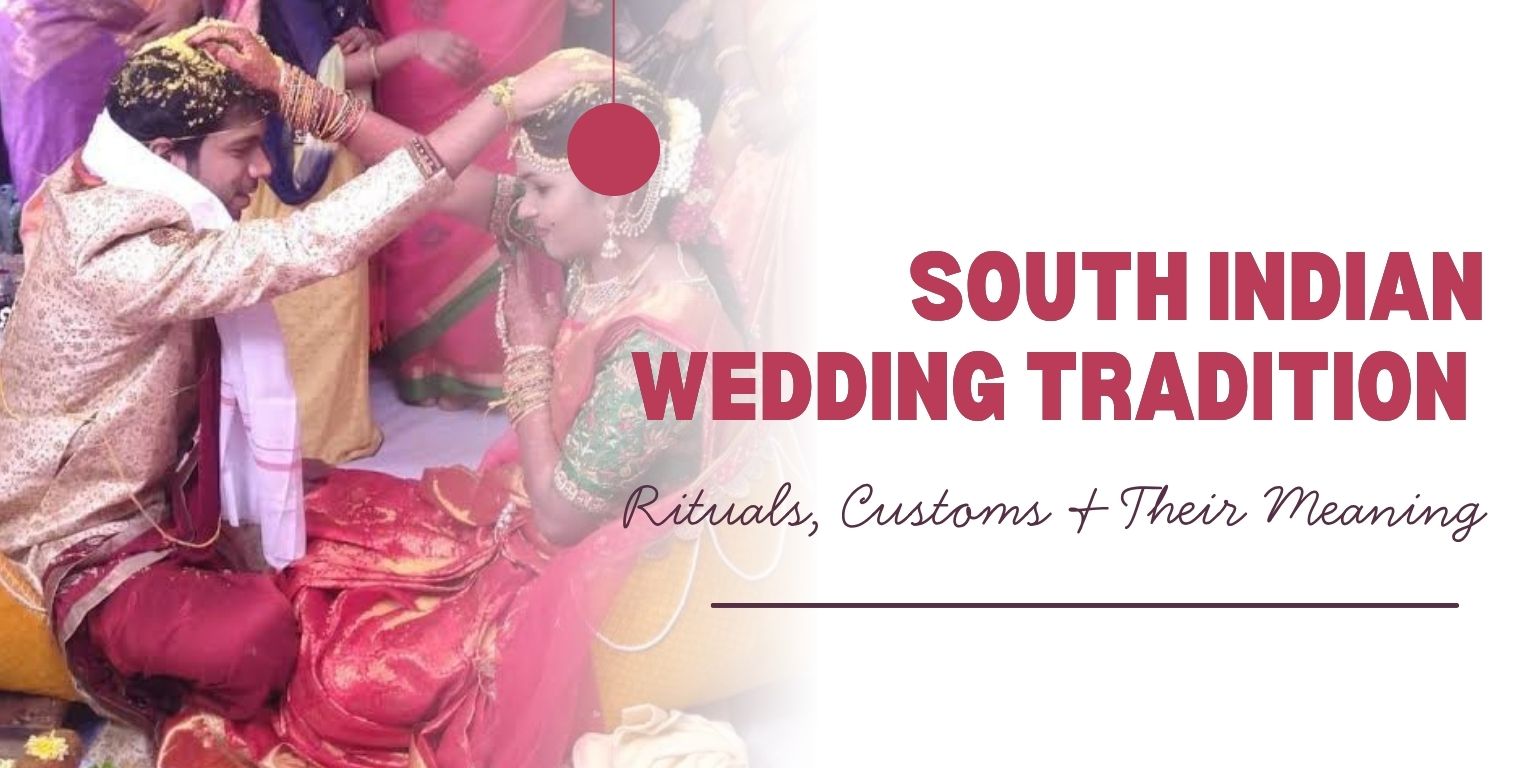
Jeelakarra Bellam is an important part of Telugu marriage ceremonies. The bride and groom place a paste made from cumin seeds and jaggery on each other’s heads at the auspicious Muhurtham.
This is a special moment for the couple and their families. The combination of cumin and jaggery is traditionally associated with an inseparable relationship.
Talambralu
Talambralu is one of the most enjoyable Telugu wedding rituals. The bride and groom shower each other with rice mixed with turmeric. Some families also include flower petals or other traditional additions.
The ceremony often brings smiles and laughter, as family members watch the couple playfully shower each other with Talambralu. It is associated with prosperity and a happy married life.
Mangalasutra Dharana
During Mangalasutra Dharana, the groom ties the Mangalasutram around the bride’s neck. In many Telugu families, three knots are tied as part of the ceremony.
This is one of the main moments of the wedding, and relatives gather around the couple to bless them.
Saptapadi
Saptapadi involves the bride and groom taking seven steps together as part of the marriage ceremony. Each step is associated with a commitment towards their life together.
The vows commonly relate to food, health, prosperity, family, mutual support, and companionship.
South Indian Wedding Rituals in Different States
Not every South Indian wedding follows the same customs. The ceremonies can vary depending on the state, community, and family traditions.
Tamil Wedding Traditions
Tamil weddings have several distinctive customs.
- Oonjal: The bride and groom sit together on a decorated swing while family members sing traditional songs and perform customary rituals.
- Kashi Yatra: The groom symbolically decides to leave for a spiritual journey before being persuaded to marry.
- Kanyadaanam: The bride’s parents formally give their daughter’s hand in marriage.
- Mangalya Dharanam: The groom ties the Thali around the bride’s neck.
- Saptapadi: The couple takes seven steps together as part of the wedding ceremony.
Karnataka Wedding Traditions
Kannada weddings also include several traditional ceremonies.
- Dev Karya: Prayers are performed to seek divine blessings before the wedding.
- Dhare Herdu: The bride’s family formally gives her hand in marriage.
- Mangalya Dharane: The groom ties the sacred marriage necklace around the bride’s neck.
- Saptapadi: The couple takes seven steps together during the ceremony.
Kerala Wedding Traditions
Kerala Hindu weddings often have a comparatively simple ceremonial structure, although practices differ between communities.
Some common customs include:
- Nischayam: The families formally confirm the marriage.
- Thalikettu: The groom ties the Thali around the bride’s neck.
- Pudava Kodukkal: The groom presents a new saree to the bride as part of the wedding customs.
These ceremonies are usually attended by close family members and relatives.
The Importance of Flowers in South Indian Weddings
Flowers are a regular part of South Indian wedding celebrations. They are used for decorating the mandap, making garlands, creating floral jewellery, and styling the bride’s hair.
Jasmine, roses, marigolds, and chrysanthemums are some commonly used flowers. The selection depends on the wedding theme, availability, and the family’s preferences.
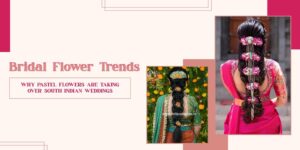
For Telugu brides, Poola Jada is an especially popular traditional accessory. It is a floral arrangement worn along the length of the bride’s braid. Depending on the design, it can include jasmine, roses, decorative flowers, and other floral elements.
Many brides prefer flowers that match their wedding saree. For example, red and white flowers can complement a traditional red saree, while pink and yellow combinations work well with several bright bridal outfits.
A few things are worth checking before ordering a Poola Jada:
- Share the wedding saree colour with the florist.
- Decide whether you want a traditional or customised design.
- Confirm the flower availability in advance.
- Discuss the hairstyle and Jada length before finalising the arrangement.
- Place the order at least four days before the wedding. If you need a customised or saree-matching design, plan at least a week ahead.
At Vizag Pelli Poola Jada, brides can explore traditional and customised Poola Jada designs for their wedding celebrations. Choosing the design early makes it easier to coordinate the flowers with the bridal saree and hairstyle.
Tips for Planning a Traditional South Indian Wedding
Along with selecting the wedding venue and bridal outfit, families need to plan the smaller details that make the ceremonies run smoothly.
Here are a few practical points to consider:
- Confirm the ritual schedule: Discuss the order and timing of ceremonies with the priest in advance.
- Keep bridal accessories ready: Arrange the jewellery, saree, garlands, and Poola Jada before the wedding day.
- Coordinate with the photographer: Inform the photography team about important moments such as Jeelakarra Bellam and Mangalasutra Dharana.
- Plan flower arrangements early: Fresh flowers and customised designs may require advance preparation.
- Check family customs: Some families follow additional rituals that may not be part of every wedding in the same region.
A little planning helps avoid last-minute confusion, especially when several ceremonies are scheduled on the same day.
Explore Traditional Bridal Flowers with Vizag Pelli Poola Jada
South Indian weddings bring together many customs that families have followed for generations. From the pre-wedding ceremonies to the main wedding rituals, every function gives relatives a chance to participate and celebrate.
Traditional bridal flowers are another important part of these celebrations. A well-designed Poola Jada adds to the bride’s overall appearance and completes her traditional wedding look.
If you are planning a Telugu wedding in Visakhapatnam, visit Vizag Pelli Poola Jada to explore floral bridal accessories and Poola Jada designs. Choose a design that goes well with your saree and wedding style, and make your special day even more memorable.
Frequently Asked Questions
What are the main South Indian wedding traditions?
Some common South Indian wedding traditions include engagement ceremonies, turmeric rituals, Kanyadaanam, Mangalasutra Dharana, and Saptapadi. Telugu weddings also commonly include Jeelakarra Bellam and Talambralu.
What are Telugu marriage rituals step by step?
Common Telugu wedding ceremonies include Ganesh Pooja, Gauri Pooja, Kashi Yatra, Jeelakarra Bellam, Talambralu, Mangalasutra Dharana, and Saptapadi. The exact order may vary depending on the family and priest.
What is the meaning of Jeelakarra Bellam?
Jeelakarra Bellam is a Telugu wedding custom in which the bride and groom place a paste made of cumin seeds and jaggery on each other’s heads. It represents the inseparable bond between the couple.
Why do Telugu brides wear Poola Jada?
Poola Jada is a traditional floral hair accessory worn by Telugu brides. It decorates the bride’s braid and complements her saree and jewellery. Jasmine, roses, and other flowers are commonly used to create these designs.
Are wedding rituals the same in Andhra Pradesh, Tamil Nadu, Karnataka, and Kerala?
No. Each state has its own wedding customs and ceremonies. Some rituals may have similar meanings, but their names, procedures, and order differ across communities and families.